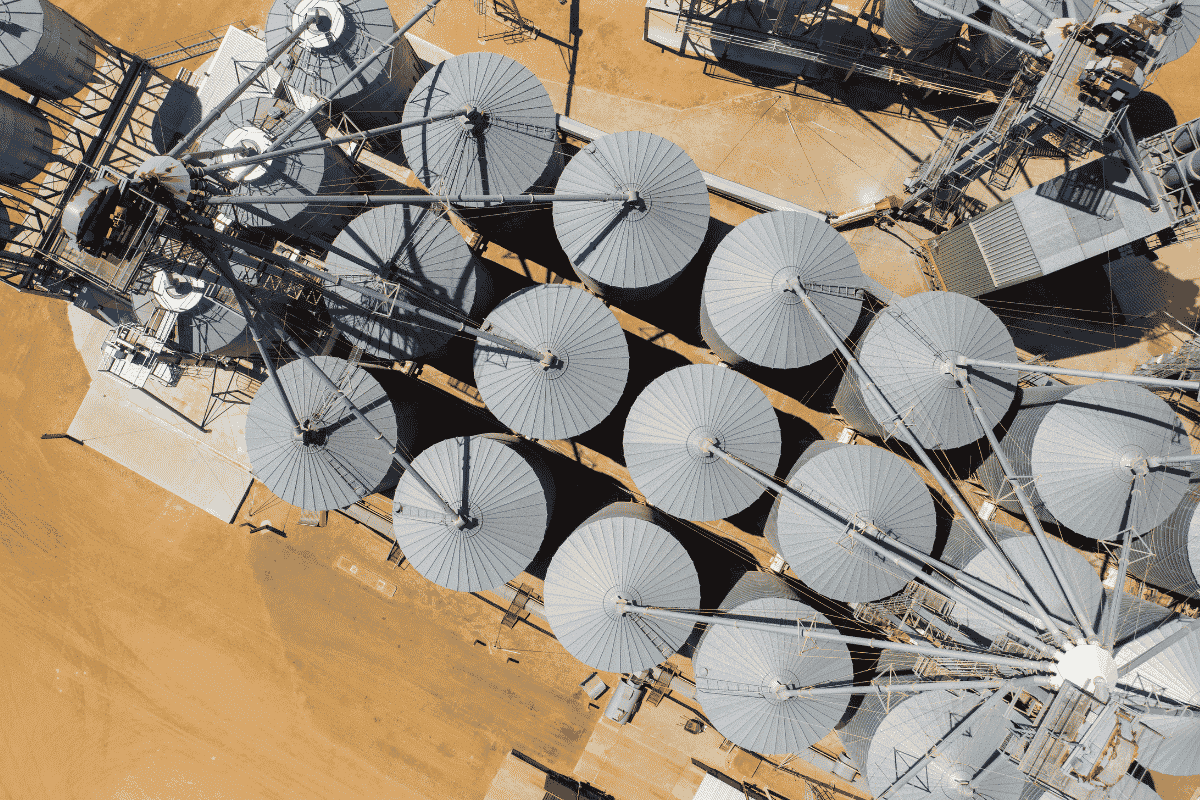
Stockfeed Insurance Australia: Cover for Feed Mills & Grain Storage

Stockfeed operations are the engine room of Australian agriculture. From feed mills producing specialised livestock rations to multi-site grain and fodder storage networks, these businesses run on tight margins, complex logistics, and high-value infrastructure- and they’re exposed to risks most generic business insurance simply isn’t built to handle.

At Agripro, we design tailored stockfeed insurance for feed mills, grain storage facilities, and stockfeed manufacturers across Australia. By partnering with leading grain processors, stockfeed manufacturers, and industry bodies, we combine deep local knowledge with access to global insurance markets- protecting your operation against loss, damage, and interruption.
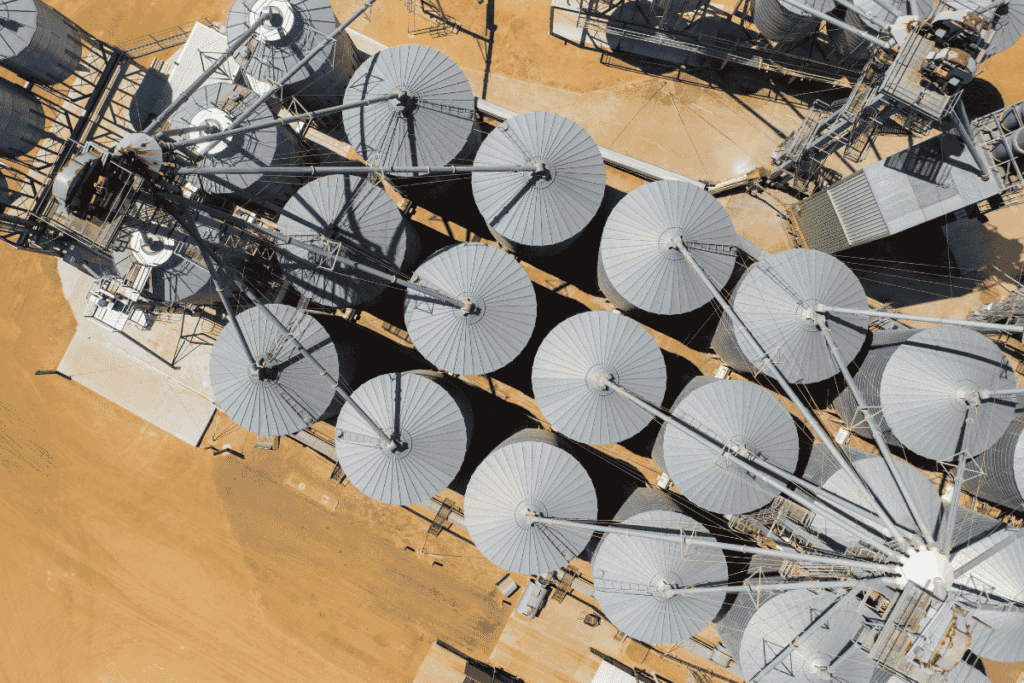
Australian feed mill insured by Agripro stockfeed insurance

Our Stockfeed Insurance Solutions

We provide comprehensive coverage across the entire stockfeed supply chain, giving complex agricultural operations genuine peace of mind.

Feed Mill Insurance

Feed mills are high-value, high-risk operations. Machinery breakdown, fire, or accidental contamination can halt production overnight and cause substantial financial loss. Agripro coverage protects:

  • Equipment and machinery
  • Raw materials and ingredients
  • Finished feed inventory

The result: your business recovers quickly and maintains continuous production for the livestock enterprises that depend on you.

Grain & Fodder Storage Facilities

Proper storage is critical to maintaining grain and hay quality. From static silos to large open-air storage sites, our policies cover:

  • Storm and fire damage
  • Pest infestations
  • Spoilage and contamination

This keeps your stock secure and your supply chain uninterrupted- even through an Australian summer.

Stockfeed Manufacturing

Stockfeed processing involves multiple moving parts: mixers, conveyors, packaging lines, and quality-control systems. Our policies protect both physical property and business continuity, helping operations resume quickly after unforeseen events.

Static Storage (Grain & Hay)

On-site storage of raw materials or finished feed presents unique challenges. Our coverage protects static storage sites against loss or damage, safeguarding both your investment and your operational continuity.
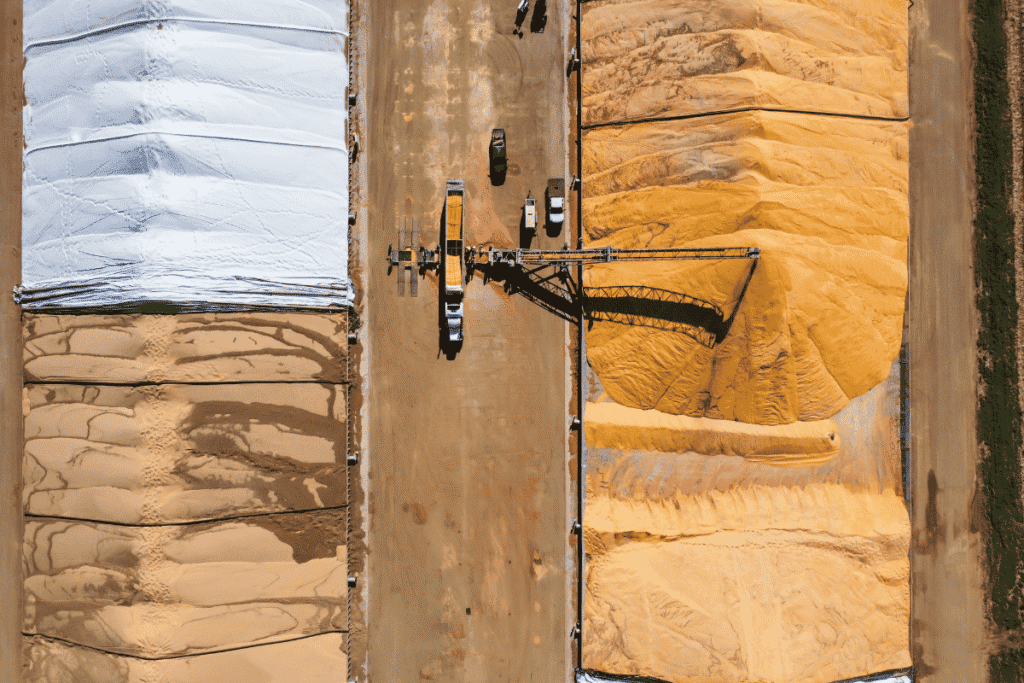
Multi-site grain storage facility covered by Agripro

Tailored Risk Solutions for Complex Operations

Every stockfeed operation is unique, and risk appetite varies widely between businesses. Some operations need full coverage of high-value infrastructure; others prioritise liability protection or business interruption cover. Agripro designs programs that fit your operation, no matter how complex.

  • Combined Property Insurance — Covers buildings, machinery, equipment, and inventory for large-scale feed mills and grain storage operations, protecting both day-to-day operations and long-term investments.
  • Public & Products Liability — Protects against third-party claims, including extensions for Errors & Omissions and Products Recall — increasingly critical for manufacturers supplying multiple clients and brands.
  • Business Interruption Insurance — Provides financial security when production halts due to loss or damage. Continue paying staff, meet supply commitments, and maintain cash flow while you rebuild.
  • Motor Fleet & Marine Transit — Specialist coverage for transit, logistics, and delivery, so feed reaches its destination safely whether by truck or sea.
  • Management Liability — Cover for the regulatory and governance pressures complex operations face, including:
    • Directors & Officers Liability — Protects decision-makers against claims arising from management decisions.
    • Statutory Liability — Covers fines or penalties under EPA, WHS, and other Australian regulatory frameworks.
    • Employment Practices Liability — Protection against claims such as unfair dismissal, harassment, or workplace disputes.

Supporting Complex Agricultural Operations

Agripro’s stockfeed insurance is built for the realities of modern Australian agribusiness:

  • Integrated Livestock Operations — A feed mill supplying multiple cattle or poultry enterprises relies on continuous production. Business interruption cover ensures that even if machinery breaks down, feed supply is maintained and livestock operations aren’t disrupted.
  • Multi-Site Grain Storage — A regional grain storage network may face storm damage or fire at a single site. Combined property and business interruption coverage minimises losses across all sites, supporting supply-chain continuity.
  • Manufacturers Serving Multiple Clients — Companies producing custom stockfeed for farms, feedlots, and export clients need Products Recall and Errors & Omissions coverage to protect against accidental contamination or labelling mistakes.

How Agripro Structures Coverage and Handles Complex Claims

Agripro goes beyond providing a policy. We design tailored insurance programs and manage complex claims efficiently — start to finish.

Case Example: Multi-Site Feed Mill and Storage Operation

The Challenge: A regional feed company operates two feed mills, three grain storage facilities, and a fleet of delivery trucks supplying livestock enterprises across multiple Australian states. The operation involves high-value machinery, large inventories, and complex logistics.

Step 1: Tailored Coverage Design

Agripro begins with a comprehensive risk assessment of the entire operation:

  • Property Insurance — Buildings, machinery, and equipment at all sites covered for fire, storm, theft, and accidental damage.
  • Business Interruption — Policies structured to cover potential income loss if production stops due to damage at any site, with multiple locations accounted for to ensure continuity.
  • Public & Products Liability — Covers claims arising from feed quality issues or accidental contamination, including Products Recall and Errors & Omissions extensions.
  • Fleet & Transit — Delivery trucks insured for accidents, theft, and third-party damage during transport.
  • Management Liability — Protects directors and officers against employment claims, regulatory fines, and legal actions.

Step 2: Claims Handling

Imagine a storm damages one feed mill’s roof, flooding the machinery and halting production:

  • Rapid Response — Agripro’s team immediately contacts the client to assess the situation and initiate a claim.
  • On-Site Evaluation — A claims specialist works with engineers and adjusters to assess damage, quantify losses, and identify urgent repairs.
  • Business Continuity Support — While repairs are underway, business interruption coverage provides financial support, allowing the client to temporarily source feed from another mill to meet customer commitments.
  • Ongoing Management — Agripro coordinates with insurers, contractors, and legal advisors, streamlining communication and ensuring fair settlement.
  • Resolution and Prevention — After the claim, Agripro reviews the event to suggest risk-mitigation strategies — for example, upgrading drainage systems or installing backup power.

The Outcome: The feed mill is repaired quickly, the business continues to operate with minimal disruption, and the client receives a transparent, efficient claims settlement. Agripro’s tailored program ensures that even a complex, multi-site operation can recover rapidly and maintain operational continuity.
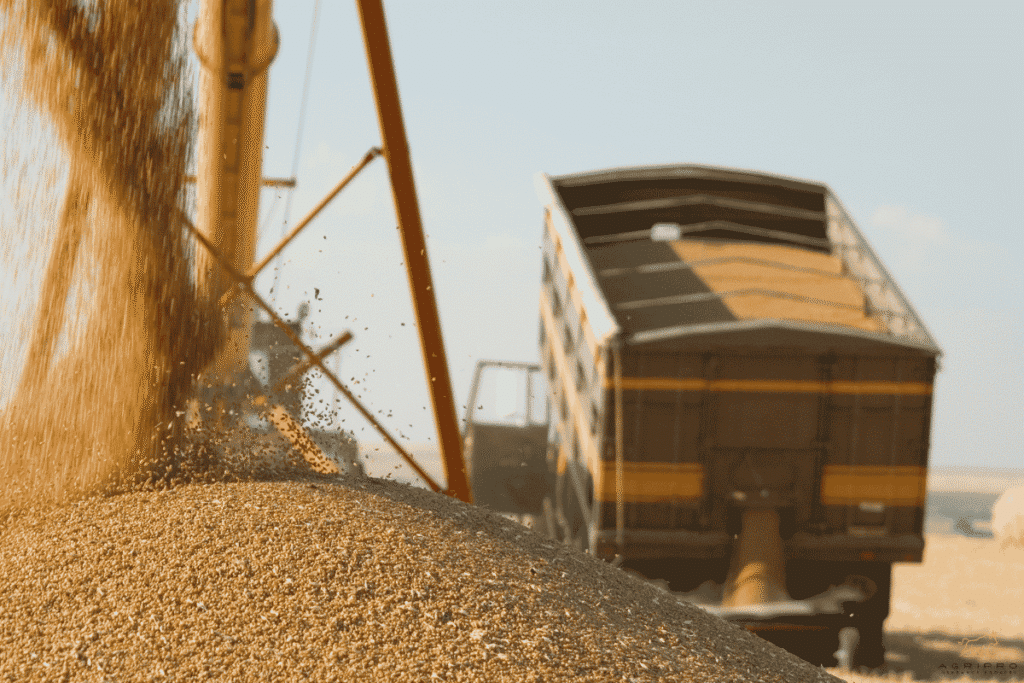
Stockfeed delivery fleet protected by motor and transit cover

Why Choose Agripro for Stockfeed Insurance

With decades of experience in Australian agricultural insurance, Agripro provides industry-leading expertise and bespoke solutions for feed mills, grain storage facilities, and stockfeed manufacturers. Our programs are designed to reduce operational risk, protect critical assets, and support business continuity — giving you the confidence to focus on growing your business.

Frequently Asked Questions

What does stockfeed insurance cover in Australia?

Stockfeed insurance typically covers property (buildings, machinery, inventory), public and products liability, business interruption, motor fleet and transit, and management liability. Agripro tailors each policy to the specific risks of feed mills, grain storage, and stockfeed manufacturing operations.

Do I need separate insurance for multi-site feed operations?

No — Agripro can structure a single, integrated program that covers multiple feed mills, grain storage facilities, and delivery fleets across different Australian states, with business interruption cover that accounts for losses at any individual site.

Does stockfeed insurance cover products recall?

Yes. Agripro’s Public & Products Liability cover can be extended to include Products Recall and Errors & Omissions — essential for manufacturers supplying farms, feedlots, and export clients where contamination or labelling errors could trigger a recall.

What’s covered under business interruption insurance for a feed mill?

Business interruption cover replaces lost income if production halts due to insured damage — keeping you paying staff, meeting supply commitments, and maintaining cash flow while repairs are made.

Get Tailored Stockfeed Insurance for Your Operation

Ready to protect your feed mill, grain storage facility, or stockfeed manufacturing operation? Contact Agripro today to discuss a customised stockfeed insurance solution built around your business.

Contact Agripro   Request a Quote

Insurance That Understands the Livestock Supply Chain 

Livestock Supply Chain Insurance for Australian Beef and Meat Operations

Livestock supply chain insurance protects every link between paddock and processor — the genetics on the breeding farm, the feed contracts at the feedlot, the carcasses on hook at a third-party plant, and the cartons of finished product moving toward domestic and export buyers. For vertically integrated beef businesses and high-value cattle producers, a standard farm pack is rarely enough.

At Agripro Insurance Brokers, we build livestock insurance programs for producers and meat businesses across Australia, structured around the commercial realities of long-term genetic investment, capital-intensive feeding, and contract-driven supply. According to Meat & Livestock Australia, the red meat sector is one of the country’s largest agricultural industries by export value, and the operational complexity has grown alongside it.

Alt text (most important — screen readers and Google Image Search use this)
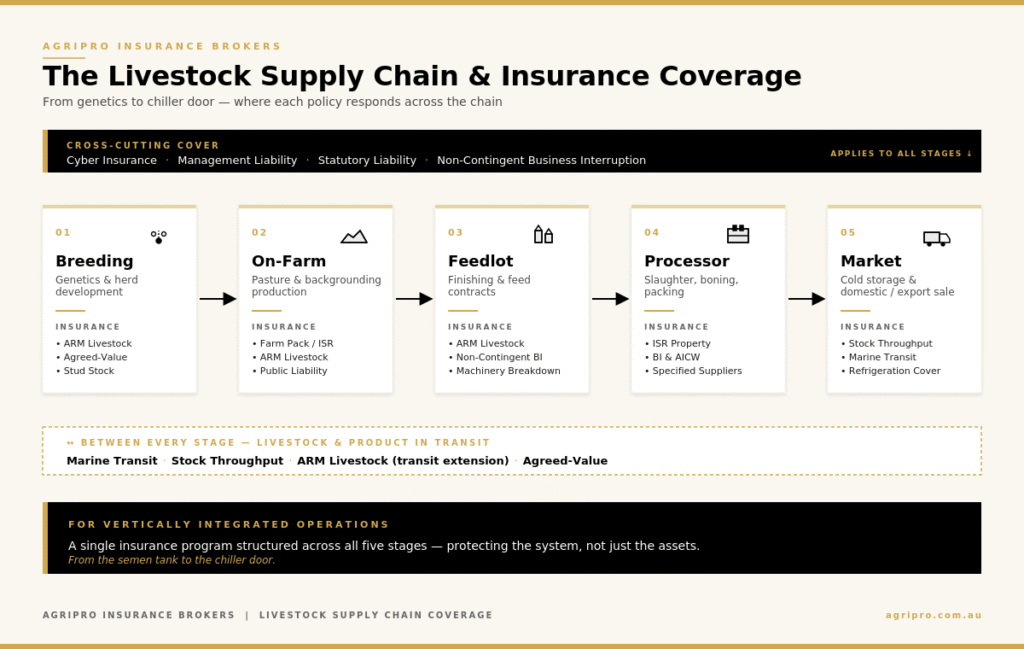
Livestock supply chain insurance diagram showing five stages — Breeding, On-Farm, Feedlot, Processor and Market — with the insurance covers that respond at each stage, plus cross-cutting cyber, management liability and statutory liability cover.
The livestock supply chain and the insurance covers that respond at each stage. Cross-cutting covers (cyber, management liability, statutory liability, non-contingent business interruption) apply across the entire chain.

What livestock supply chain insurance covers

A tailored program for a livestock supply chain typically includes:

  • All Risks Mortality (ARM) cover for animals on-farm, in transit, and at third-party feedlots or processors
  • Marine Transit and Stock Throughput insurance for chilled and frozen meat product
  • ISR property and business interruption cover, including non-contingent extensions
  • Cyber, management liability, and statutory liability cover
  • Agreed-value cover for stud and high-genetic-value animals

The right structure depends on where value is concentrated in your operation, how exposed you are to third-party providers, and the contract terms attached to your supply. For dedicated beef and feedlot operations, the program also needs to address feed dependency, pen-throughput interruption, and contracted live weight obligations.

All Risks Mortality (ARM) livestock insurance

All Risks Mortality cover protects livestock against death from accident, illness, or disease wherever the animals are located — on-farm, in feedlots, in transit, or in third-party feeding and processing facilities. Unlike defined-events farm pack cover (typically limited to fire, lightning, and limited accidents), ARM provides protection through the full production cycle. It also responds to livestock disease outbreaks, an exposure that can affect entire batches of animals at once.

For producers running stud, breeding, or high-genetic-value programs — including those operating under specialist livestock insurance programs — ARM should be combined with agreed-value cover so that settlement reflects genetic and replacement value rather than commercial market rates.

Marine Transit and Stock Throughput cover

Once livestock has been processed, the product becomes a moving asset across cool rooms, freezers, transport networks, and export terminals. Marine Transit and Stock Throughput insurance covers meat in transit and at third-party storage facilities, with refrigeration and frozen clauses to protect against temperature failure, contamination, and spoilage. Standard property insurance does not extend to this exposure.

This becomes critical when product is held at a third-party processor or at port awaiting export shipment. Without it, a refrigeration failure or storage incident at a facility you do not own can become an uninsured loss.

Business Interruption and ISR Property — including non-contingent cover

Insured loss to your own property is only one part of the supply chain risk picture. Operational interruption can also flow from:

  • A loss at a contracted third-party processor that limits kill space
  • A feed supplier hit by a cyber incident or fire
  • A transport partner unable to deliver
  • Restricted access to export-licensed facilities

A well-structured ISR property and business interruption program can be extended to specified suppliers and customers, with Additional Increased Cost of Working built in to fund alternative transport, kill fees, or reroute costs.

Real claim example — supply chain disruption

A contracted third-party meat processor used by an Agripro client suffered an insured loss that included approximately $5 million of finished product on hook. The client faced reduced income because alternative facilities had limited kill space, leaving them unable to fully meet supply contracts. Additional transport costs were incurred to move and process livestock at a substitute plant.

The client’s insurance program responded across two sections:

  • Marine Transit, including refrigeration and frozen clauses, protected meat in storage and transit
  • ISR Property and Business Interruption, with extensions for specified suppliers and Additional Increased Cost of Working, funded the additional transport and kill fees

Combined, the program protected against both physical loss and the operational and financial impact of disruption outside the client’s direct control.

Livestock transit and agreed-value insurance

Transport is one of the most overlooked, highest-impact components of a livestock operation. Moving high-value animals between farms, feedlots, reproduction centres, and processors exposes them to road accidents, heat stress on long hauls, loading and unloading injuries, and weather delays. For Wagyu, stud, and elite-genetic programs, a single rollover or load incident can be a six- or seven-figure exposure.

Real claim example — agreed-value cover for Wagyu transit

An Agripro client experienced a truck rollover while transporting 60 Wagyu heifers. The animals were insured under an agreed-value policy reflecting their genetic value, not standard cattle rates. Settlement covered full replacement value rather than market price, avoiding a substantial uninsured gap.

Agreed-value cover is essential where:

  • Standard market rates do not reflect the replacement cost of elite sires or donor cows
  • Forward contracts are in place and a loss affects both immediate revenue and future obligations
  • Genetic programs depend on continuity, and losing a single high-index animal sets back breeding schedules and progeny pipelines

Cyber and non-contingent business interruption

Modern livestock supply chains depend on third parties and digital systems. Two common scenarios highlight the exposure.

Real claim example — ransomware on a feed supplier

A feed supplier used by a feedlot was hit by a ransomware attack that halted deliveries across multiple Wagyu properties. Operations without non-contingent business interruption cover absorbed the cost of feeding delays, lost weight gain, and contract penalties.

Real claim example — phishing and fraudulent payment

An accounts officer acted on a fraudulent email requesting payment to a substituted bank account. The deception was not identified until $250,000 had been transferred. The loss was indemnified under the company’s cyber insurance program, which included a social engineering extension.

The takeaways for any livestock business:

  • Reliance on third parties means your operation can be impacted even when nothing on your farm is damaged
  • Digital systems, from accounting software to traceability platforms, are increasingly targeted, and the financial consequences can be catastrophic
  • Cyber policies should specifically cover invoice manipulation, CEO impersonation, email compromise, and social engineering
  • Non-contingent business interruption cover should align with actual exposure to suppliers and customers

Management liability and internal risk

As livestock and meat operations expand, internal risks grow alongside the value of the business. These exposures are often unnoticed until a major loss occurs.

Common issues include:

  • Employee dishonesty — theft of livestock funds, manipulated accounts, or intentional damage to animals or equipment
  • Regulatory breaches across workplace safety, environmental compliance, or contractual non-conformance
  • Workplace disputes including unfair dismissal, bullying allegations, and shareholder disagreements

Real claim example — workplace health and safety prosecution

An Agripro client was investigated after an employee sustained serious injuries operating feeding equipment at a feedlot. The regulator alleged failures around safe systems of work, plant guarding, and staff training. The business faced prosecution under workplace health and safety legislation, with significant defence costs and potential pecuniary penalties.

The company’s management liability policy responded under the Statutory Liability section, covering legal representation costs and contributing toward pecuniary penalties (subject to policy terms and legislative allowances).

Management liability cover is particularly important for:

  • Operations expanding into branded beef or processing, where payrolls, production systems, and legal responsibilities all grow
  • Protecting relationships with partners, processors, and investors by demonstrating robust internal risk management
  • Ensuring that internal mismanagement or deliberate acts do not derail long-term breeding and production strategies

Why an integrated approach matters

In a typical insurance program, livestock, processing, transport, liability, and management cover are treated as separate risks. In a livestock supply chain, they are inseparable. A feeding delay disrupts processor contracts. A genetic loss sets back years of breeding work. A machinery breakdown compromises export supply. A cyber incident at a supplier halts your own kill schedule.

At Agripro Insurance Brokers, we structure cover around the full flow of value through your operation — from the semen tank to the chiller door — protecting the system, not just the individual assets. Working with a specialist farm insurance broker who understands the supply chain end-to-end is what makes that integration possible.

Frequently asked questions

What is livestock supply chain insurance?

It is an integrated insurance program that protects livestock, livestock products, and the operational continuity of a beef or meat business at every stage of the supply chain — including on-farm, in transit, at third-party feedlots and processors, and during storage and export.

Who needs livestock supply chain insurance in Australia?

Vertically integrated beef and meat businesses, large-scale feedlots, stud and Wagyu producers, and any operation that depends on third-party processors or contracted suppliers. The greater your reliance on partners outside your direct control, the greater the case for non-contingent and stock throughput cover.

What is All Risks Mortality (ARM) cover?

ARM is livestock insurance that responds to death from accident, illness, or disease wherever the animals are located, in contrast to defined-events farm pack cover, which is typically limited to fire, lightning, and named accidents.

How is agreed-value insurance different from market-value cover?

Market-value settlements reflect commercial cattle prices at the date of loss. Agreed-value settlements reflect a value declared at policy inception, typically based on genetic merit, breeding contracts, or independent valuation. For Wagyu, stud stock, and elite breeding animals, agreed-value cover prevents a settlement gap when commercial rates do not match replacement cost.

What is stock throughput insurance?

Stock throughput insurance covers livestock products (typically meat) in transit and at third-party storage and processing facilities. It often includes refrigeration and frozen clauses for chilled and frozen product. It fills a gap that standard farm and property insurance does not address.

Does cyber insurance cover phishing and invoice fraud?

Cyber policies vary significantly. A well-structured policy for a livestock business should include extensions for social engineering, invoice manipulation, CEO impersonation, and funds transfer fraud. Without these specific extensions, a fraudulent payment loss may not be covered under a basic cyber policy.

Talk to Agripro about your livestock insurance program

If your business runs across the livestock supply chain — breeding, feeding, processing, transport, or export — your insurance program should respond as a single, connected structure. Contact Agripro to review where value sits in your operation and how your current cover responds.

Insurance for EPS and PIR Panel with Agripro Insurance Brokers

Understanding Insurance for EPS and PIR Panel Coolrooms in Food Processing and Manufacturing

In the food processing and manufacturing industries, maintaining a temperature-controlled environment is essential for ensuring food safety, regulatory compliance, and operational efficiency. Coolrooms constructed with Expanded Polystyrene (EPS) and Polyisocyanurate (PIR) panels are commonly used for insulation. However, the fire risk associated with these materials presents significant challenges when it comes to securing comprehensive and affordable insurance coverage.

If you’re in the food manufacturing or Agri processing sector and rely on EPS or PIR panels in your coolroom construction, understanding the risks involved and implementing effective risk mitigation strategies is crucial for obtaining favorable insurance terms. This article explores the fire risks posed by EPS and PIR panels and how businesses can manage these risks to secure the best insurance policies.

Fire Risk and Insurance Challenges with EPS and PIR Panels

EPS panels are popular for their cost-effectiveness and excellent insulation properties. However, they are highly combustible, posing a significant fire hazard in food processing environments. Fires in EPS-insulated coolrooms can spread quickly, leading to extensive damage, contamination, and high insurance claims. Due to this risk, insurers are often reluctant to offer coverage for facilities using EPS panels or may impose high premiums and strict policy conditions.

In contrast, PIR panels offer better fire resistance than EPS. While they are still combustible under extreme conditions, they are often preferred by insurers due to their improved fire resistance. Even with PIR, however, businesses in the food processing industry must implement additional safety measures to ensure optimal insurability.

Internal coolroom storage

Mitigation Strategies for Reducing Fire Risk and Lowering Insurance Premiums

To improve insurability and reduce the likelihood of catastrophic losses, food processing businesses should consider the following strategies:

  • Fire Suppression Systems
    Installing automatic sprinklers, fire-resistant coatings, and suppression systems designed for coolroom environments can significantly lower fire risks and improve safety. This is a critical step for meeting insurer requirements and ensuring compliance with industry standards.
  • Routine Maintenance and Inspections
    Regular inspections of electrical systems with thermal imaging can help identify and mitigate potential fire hazards. Proper maintenance and implementation of Hot and Cold Works Permits can also reduce the chances of accidents and contamination.
  • Use of Non-Combustible Panels
    Where possible, consider replacing EPS or PIR panels with non-combustible alternatives or incorporating fire-resistant barriers to improve the fire safety of your coolrooms. This step enhances safety and ensures compliance with food industry regulations, which is crucial for obtaining competitive insurance rates.
  • Compliance with Australian Standards
    Ensure that your business complies with critical Australian standards such as AS 1851 (Routine service of fire protection systems), AS/NZS 3837 (Methods of testing heat and smoke release rates), and HACCP (Hazard Analysis and Critical Control Points). Compliance demonstrates proactive risk management to insurers, which can help lower your premiums.
  • Fire Safety Risk Assessments
    Engage a fire safety engineer to conduct a risk assessment tailored to your coolroom’s design and operational needs. A thorough assessment and the implementation of best practices can significantly improve your business’s chances of securing an affordable and comprehensive insurance policy.

How to Navigate Insurance for EPS and PIR Coolrooms in Food Processing

To secure the best insurance terms for EPS and PIR panel coolrooms, it’s important to work with an insurance broker who specialises in commercial property insurance for the food processing and manufacturing industries. Here are some key considerations when navigating the insurance landscape:

  • Policy Exclusions and Conditions
    It’s essential to carefully review your insurance policy for exclusions related to fire damage, structural integrity, and maintenance requirements. Businesses should ensure that they are fully covered for potential risks to avoid unexpected liabilities.
  • Premium Adjustments for Risk Controls
    Insurers often offer premium reductions to businesses that implement stringent fire safety measures. By taking proactive steps to minimize fire risk, businesses can benefit from lower premiums while ensuring they remain compliant with safety regulations.
  • Business Interruption Coverage
    Ensure that your insurance policy covers business interruption due to fire or equipment failure, including coverage for perishable goods and contamination risks. This is crucial for protecting your business’s financial stability and ensuring compliance with food safety laws.

Why Choose Agripro Insurance Brokers for EPS or PIR Panel Coolrooms

At Agripro Insurance Brokers, we specialize in offering tailored insurance solutions for food processing and agricultural businesses using EPS or PIR panels. Whether you are involved in coolroom storage, food manufacturing, or farm building construction, Agripro can help you navigate the complexities of insuring these materials. Our services include:

  • Comprehensive Coverage: We source and structure specialised insurance programs that address the unique risks associated with EPS and PIR panels, including fire damage, liability, and property protection.
  • Expert Guidance: Our team offers expert advice on the specific properties and risks of EPS and PIR panels, ensuring that your business is adequately covered.
  • Risk Management Support: In addition to insurance, Agripro provides valuable risk management solutions by working with leading risk surveyors and business interruption specialists to ensure a comprehensive and cost effective program.

With Agripro Insurance Brokers, you can rest assured that your EPS and PIR panel insurance needs are covered with industry leading expertise and access to over 150 global insurers.

Insuring coolrooms made from EPS and PIR panels presents unique challenges in the food processing and manufacturing industries. However, by taking proactive measures to address fire risks, comply with industry regulations, and work with a specialised insurance broker, food businesses can secure comprehensive and cost-effective insurance coverage.

See our agricultural processing insurance programs for abattoirs, dairy and food processors, or request a quote.